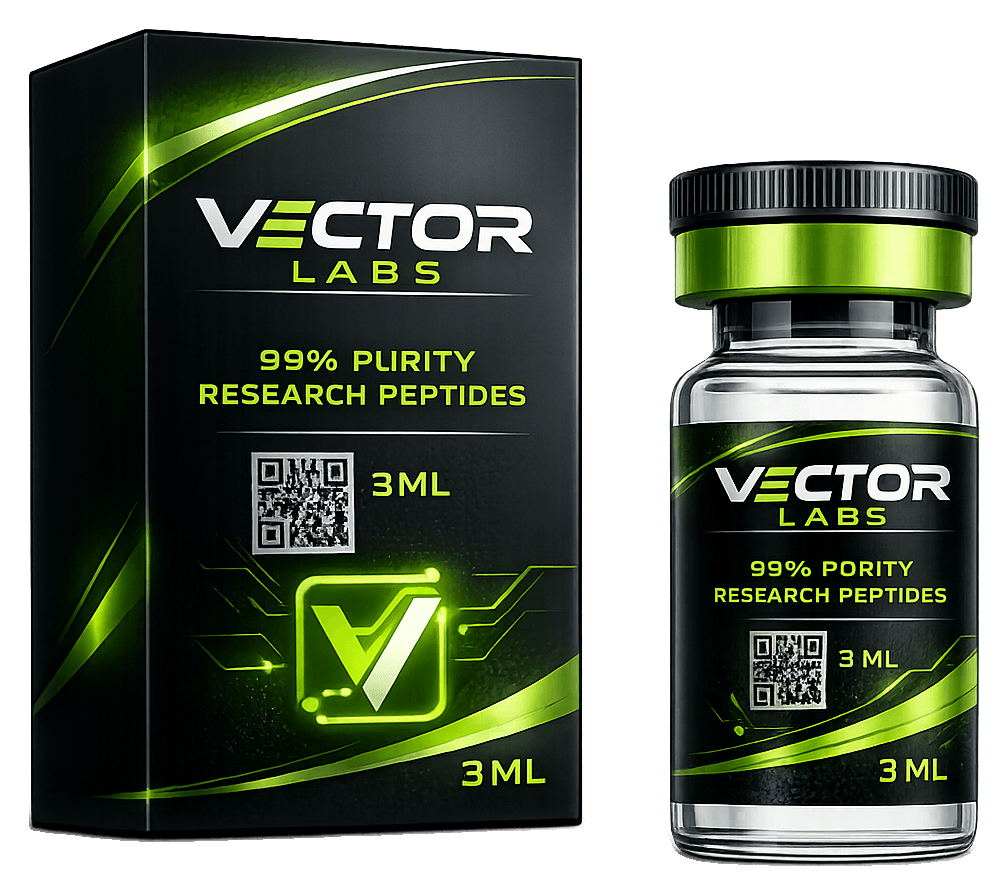
Buy GHK-Cu 100mg Exclusively At Vector Labs | Premium Research Peptides Canada
GHK-Cu: 10 Crucial Insights Into This Copper Peptide for Regenerative Research
The premium synthetic research peptide highlighted here is a well-known copper-binding tripeptide (Glycyl-L-Histidyl-L-Lysine Copper Complex) extensively studied for its role in cellular regeneration, extracellular matrix modulation, and anti-aging research pathways. By binding to copper ions, GHK-Cu facilitates critical biological signaling processes that influence gene expression, tissue remodeling, and structural protein synthesis. This mechanism has made it a cornerstone compound in advanced dermatological and regenerative research models.
Cellular Regeneration and Tissue Repair
In highly controlled laboratory environments, GHK-Cu is rigorously studied for its involvement in wound healing models, tissue regeneration pathways, and cellular repair signaling. Researchers utilize this peptide to examine how copper delivery influences fibroblast activity, collagen synthesis, and extracellular matrix rebuilding. These mechanisms are critical in understanding how biological systems maintain structural integrity and recover from cellular stress, making it highly relevant in tissue repair and recovery research.
Dermal Remodeling and Skin Structure Research
GHK-Cu is widely explored in studies focused on skin remodeling, elasticity pathways, and dermal matrix integrity. Laboratory models investigate how this peptide interacts with structural proteins such as collagen and elastin, providing insights into skin density, firmness, and overall tissue quality. These properties make it a key compound in anti-aging research focused on maintaining and restoring dermal architecture.
Gene Expression and Anti-Aging Pathways
A significant area of interest surrounding GHK-Cu is its role in gene expression modulation. Research indicates that this peptide may influence genes associated with inflammation control, antioxidant response, and tissue repair. This allows scientists to explore how peptide signaling contributes to biological aging processes, oxidative stress regulation, and cellular longevity models.
GHK-Cu Laboratory Preparation and Reconstitution
Supplied in a premium lyophilized (freeze-dried) powder form, this 100mg format ensures maximum biochemical stability, accurate measurement, and consistent reconstitution under proper laboratory conditions. It is particularly suitable for long-term experimental protocols and dose-response studies. Applying precise peptide calculations during reconstitution ensures consistent molarity across batches, which is essential for maintaining reproducibility in in-vitro research.
Copper Peptide Signaling Synergy
What sets GHK-Cu apart in modern research is its ability to function as both a peptide signal and a copper transport system. This dual functionality allows researchers to investigate how micronutrient delivery interacts with peptide-driven biological pathways, influencing multiple systems simultaneously including cellular repair, inflammation response, and structural regeneration.
Canadian Laboratory Storage Protocols
To preserve peptide integrity and copper-binding stability, strict cold-chain storage is recommended. Once reconstituted with bacteriostatic water, vials should be stored between 2°C and 8°C. Maintaining proper storage conditions ensures consistent activity and structural stability throughout extended research studies.
Key Research Attributes
Stable copper-binding tripeptide complex
Studied extensively in cellular regeneration and tissue repair research
Explored in dermal remodeling and skin structure pathways
Investigated for roles in gene expression and anti-aging models
Supports research into collagen synthesis and extracellular matrix activity
Premium lyophilized format for precision, stability, and reliability
Intended strictly for in-vitro and controlled laboratory research use
The regenerative potential of GHK-Cu continues to drive strong interest within the global scientific community. It remains a key component in peptide libraries focused on anti-aging research, tissue repair, and advanced cellular signaling studies. Researchers frequently incorporate GHK-Cu into comparative experimental frameworks to better understand peptide-driven regeneration mechanisms.
When integrated into comprehensive research models, GHK-Cu is often evaluated for its effects on cellular turnover, protein synthesis, and structural integrity. These insights contribute to a deeper understanding of how copper peptides influence long-term biological performance and adaptation.
Disclaimer: GHK-Cu (100mg) is supplied strictly for laboratory research use only. It is not intended for human or animal consumption, medical treatment, or diagnostic purposes. All handling and use must comply with applicable laboratory regulations and research standards.